
Car travel with cats can be calm and predictable with the right setup, short practice sessions, and a simple routine for safety, comfort, and litter needs. The goal isn’t to “tough it out”—it’s to create a repeatable system your cat can understand: same carrier, same cues, same stop pattern, and a quiet environment from departure to arrival.
The safest road-trip plan starts with one non-negotiable: your cat rides in a closed carrier that’s firmly restrained (ideally seat-belted in). Free-roaming cats can bolt out a door, wedge under pedals, or get injured during sudden braking. Place the carrier on a flat, stable surface (usually the back seat), keep it out of direct sun, and away from active airbags.
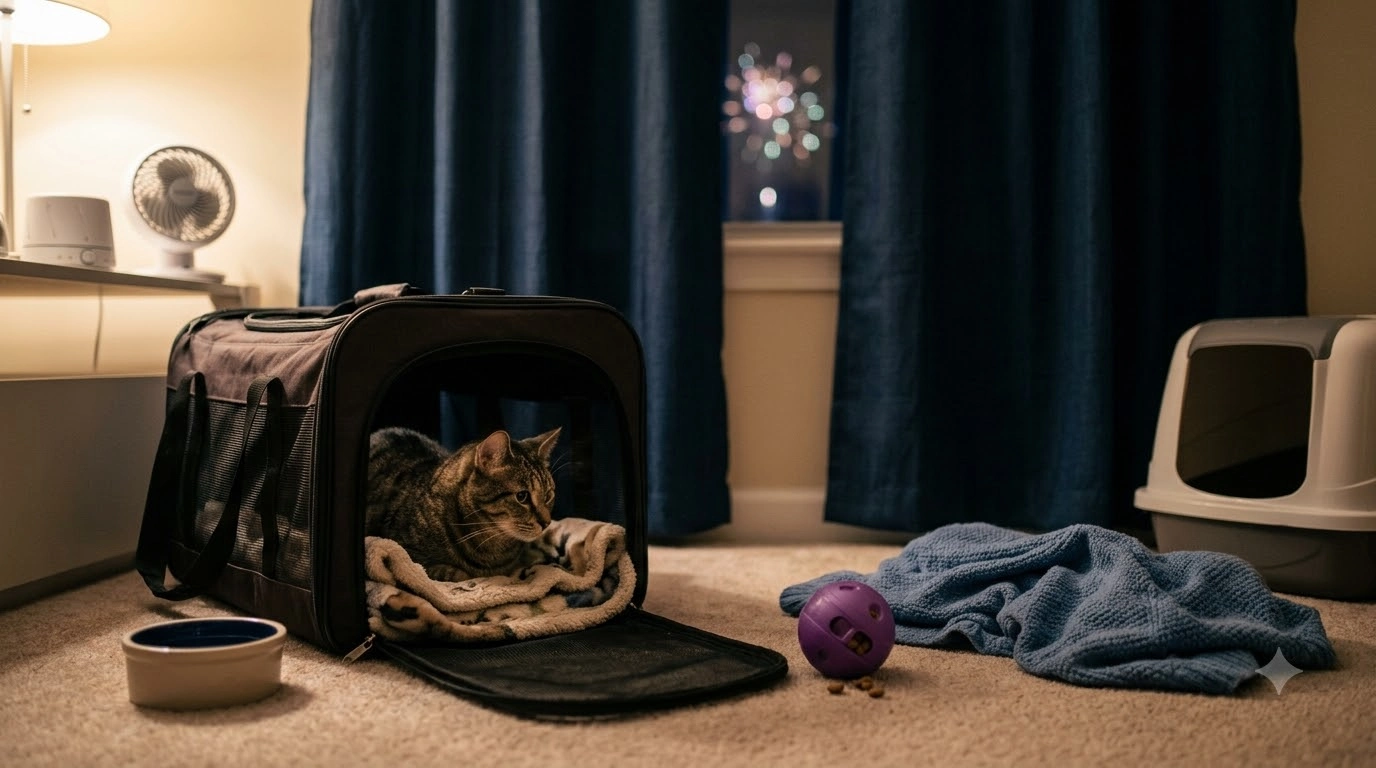
Comfort comes next: use familiar cues like the same blanket or a worn T-shirt that smells like home. Reduce stimulation with low music, minimal loud conversation, and smooth driving—gentle turns and gradual acceleration make a bigger difference than most people expect.
A week of practice can transform a stressful trip into a manageable routine. Leave the carrier out at home as a normal resting spot with treats and a soft liner so it doesn’t only predict vet visits. Feed high-value treats in the carrier, then briefly close the door and slowly increase the time your cat stays inside while calm.
Next, do “engine on” sessions: cat in the carrier, car parked, engine running for 1–3 minutes. Reward quiet behavior and end the session before your cat escalates. Then progress to 3–10 minute drives at low-traffic times and return home (a familiar endpoint helps). If you suspect motion sickness—drooling, vomiting, or lethargy—talk with a veterinarian before the real trip.
Before travel, confirm your cat’s microchip is registered with current contact info and consider an ID tag on a breakaway collar if tolerated. Keep vaccination records and any lodging-required documents in an easy-to-reach folder. Refill prescriptions ahead of time and pack meds in original containers with clear instructions.
If training and environment adjustments aren’t enough, ask your veterinarian about anxiety management. Avoid unadvised sedatives. It’s also smart to pre-select a pet emergency clinic near your route and destination and save the details offline. For general guidance, review the American Veterinary Medical Association (AVMA) travel tips.
Pack like you’re preparing for two things: normal needs (water, litter, comfort) and surprises (accidents, stress flare-ups). For the carrier, bring absorbent pee pads, a spare liner, and a lightweight cover to reduce visual stress (leave one side uncovered for airflow). Add an enzyme cleaner, gloves, paper towels, and trash bags for quick cleanups.
For food and water, stick to familiar brands, measured portions, and a collapsible bowl. Many cats prefer the taste of their usual water; bottled water can prevent refusal. For litter, a small disposable tray or travel litter box plus a sealed container of litter and a scoop makes stops far more manageable. A harness and leash can help with secure transfers only—it’s not a safe substitute for a carrier while driving. A cat-specific calming pheromone spray can also support the routine; for understanding stress signals, International Cat Care’s stress overview is a helpful reference.
| Item | Day Trip (0–8 hrs) | Overnight (1–2 days) | Multi-Day (3+ days) |
|---|---|---|---|
| Carrier + seatbelt restraint | Required | Required | Required |
| Pee pads + spare liner | 2–4 pads | 6–10 pads | 10+ pads |
| Food (familiar brand) | 1 day | 2–3 days | Trip days + 2 extra |
| Water + bowls | Required | Required | Required |
| Travel litter setup | Optional (recommended) | Required | Required |
| Enzyme cleaner + towels | Recommended | Required | Required |
| Medications + records | As needed | Required | Required |
| Harness/leash for transfers | Recommended | Recommended | Recommended |
If you want a more structured plan and printable-style guidance, How to Travel with a Cat in the Car – A Complete eBook Guide for Stress-Free Road Trips with Your Feline Companion is a handy way to keep your routine consistent from training week through arrival.
For secure transfers (car to room, room to car) and tight spaces like hotel hallways, a carrier option you can keep close to your body can help you stay controlled and calm: Transparent Cat Carrier Backpack.
A secured, closed carrier is the safest choice during driving. A harness and leash can help during controlled transfers, but they aren’t a safe substitute for a carrier in a moving vehicle.
Offer water and a litter opportunity about every 2–3 hours, adjusting to your cat’s comfort and stress level. Avoid opening the carrier outdoors; provide litter only inside a closed car or secure indoor space.
Carrier conditioning, familiar scents, a partial carrier cover, a quiet cabin, and smooth driving help most cats. Vet-approved pheromone products can also support a calmer routine.











Leave a comment