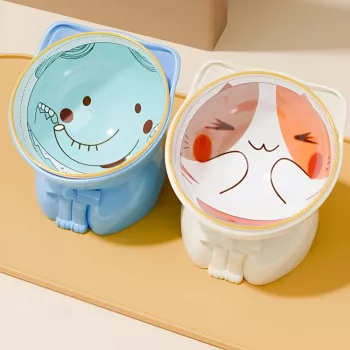
Messy floors, tipped dishes, and awkward eating angles can turn mealtime into a daily cleanup. An elevated ceramic cat bowl with an anti-spill base and a wide, comfortable opening helps keep food where it belongs while supporting a more natural posture—especially for enthusiastic eaters and cats that prefer a roomy dish.
Whether you’re serving crunchy kibble, pate, or a mixed meal with toppers, the right bowl can make feeding feel calmer and your feeding station look more put-together. Below is a practical breakdown of what an elevated, large-caliber ceramic bowl does well—and how it fits into real home routines.
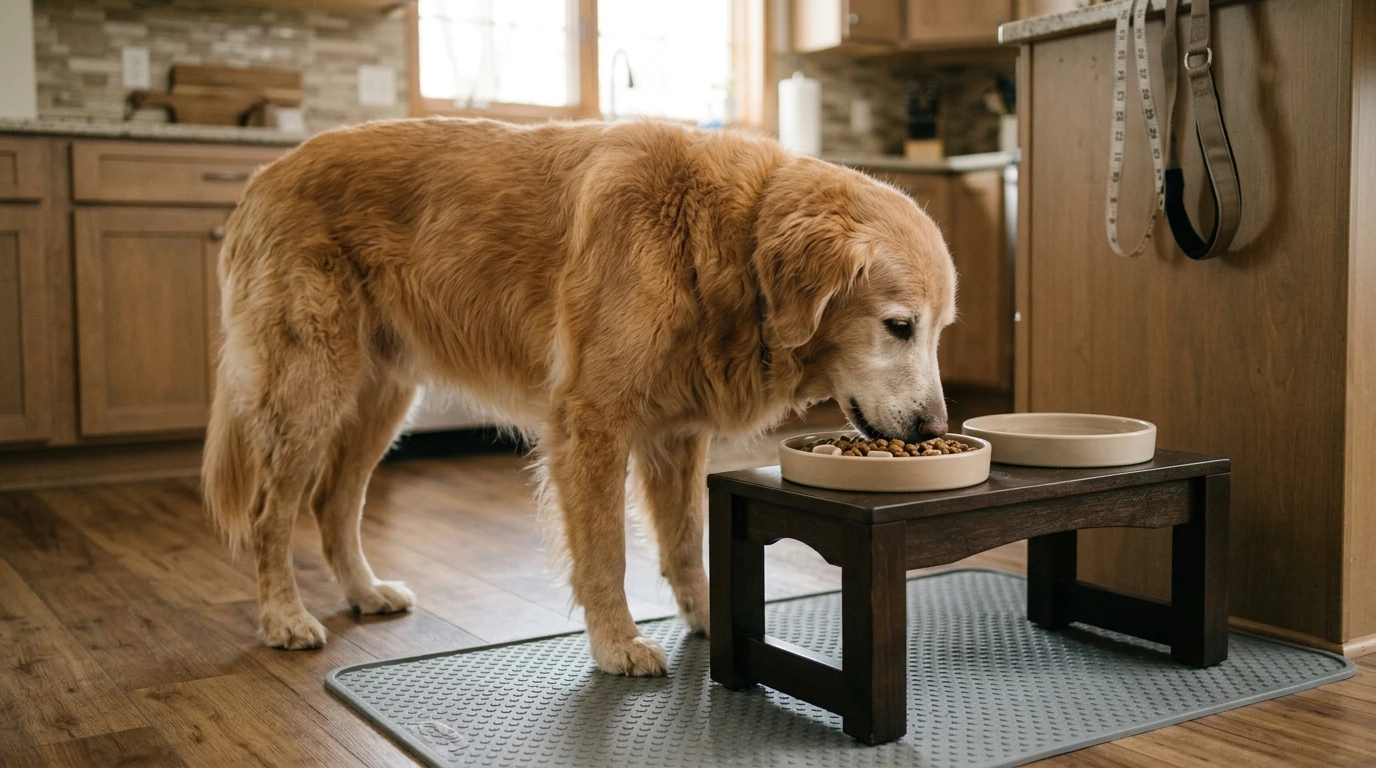
Eating posture matters more than many people realize. A bowl that sits slightly higher can change how your cat approaches meals and how stable the feeding area feels.
If your cat has ongoing vomiting, suspected pain, or a medical condition, it’s smart to ask a veterinarian about the best feeding setup. Reliable general pet-care resources like the American Veterinary Medical Association (AVMA) pet owner guides can help you frame questions for your next visit.
Some cats dislike narrow bowls because the rim feels confining, or because food gets pushed into corners. A large caliber (wide) opening creates space for food to spread out and for your cat to eat without pressing in.
If you’re adjusting portions, treat frequency, or overall nutrition, it helps to lean on established guidance like the WSAVA Global Nutrition Guidelines for a solid baseline of what “complete and balanced” really means.
A stable bowl changes the whole rhythm of feeding. When the dish doesn’t skid away, cats tend to “hunt” the food less across the floor—and you spend less time wiping and re-centering bowls.
For extra protection, pair a stable bowl with a washable feeding mat, and keep the floor under the station dry so the base can grip as designed.
Ceramic bowls are popular for good reasons: they feel substantial, clean up easily, and look at home in living spaces where the feeding area is part of the main room.
For broader feline wellness info beyond feeding gear, the Cornell University College of Veterinary Medicine Feline Health Center is a helpful reference point.
| Bowl type | Best for | Common drawback |
|---|---|---|
| Elevated ceramic with anti-spill base | Stable feeding area, cleaner floors, more comfortable posture | Heavier and less portable than travel bowls |
| Standard floor-level bowl | Simple setups and short-term use | More sliding/tipping; requires deeper bending |
| Lightweight plastic bowl | Budget setups, temporary use | Slides easily; can retain odors/scratches over time |
| Slow feeder insert/bowl | Cats that eat too fast | Can be harder to clean; may not suit all wet foods |
If the goal is a cleaner floor and a steadier feeding experience, the Elevated Ceramic Cat Bowl with Anti-Spill Base – Large Caliber Feeding Dish is built for everyday use.
Elevated bowls are generally safe for most cats when the bowl is stable, easy to clean, and an appropriate height. If your cat has ongoing health issues (such as chronic vomiting, arthritis, or mobility limitations), a veterinarian can help you choose the best setup.
Choose a bowl with a wide, anti-slip or anti-spill base and place it on a feeding mat. Keeping the surface dry and using heavier materials like ceramic can also reduce sliding and tip-overs.
Wash frequently—ideally after each wet-food meal and at least daily for dry food. Replace the bowl if it becomes chipped or cracked, since damage can make thorough cleaning harder.








Leave a comment