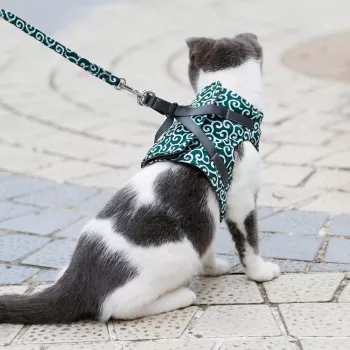
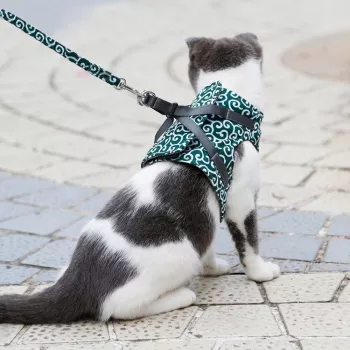
Outdoor time is safer and calmer with a well-fitted vest harness that distributes pressure and reduces slip-outs. This Japanese-inspired harness and leash set is designed for kittens, cats, and small puppies who need security, comfort, and an easy routine from door to destination.
A vest harness can feel more “hug-like” than a strap-only harness, which helps many cats and small dogs settle faster—especially during early training. The biggest benefit is how the vest-style coverage spreads force across the chest and shoulders rather than concentrating pressure at the neck.
“Escape-proof” is really a combination of design and daily habits. Look for a harness set that makes it easy to repeat the same secure fit every time—without turning gearing up into a wrestling match.
Fit is the difference between a confident stroll and an instant reverse-and-slip-out. Before ordering, measure chest girth at the widest point behind the front legs, and measure the neck where a collar would sit. Choose a size that matches current measurements while leaving a small adjustment range for growth.
| Checkpoint | What to look for | Quick fix |
|---|---|---|
| Chest snugness | Harness doesn’t slide over shoulders when gently pulled back | Tighten slightly; reposition vest panel centered on chest |
| Neck/upper fit | No gaping at the top; pet can’t back out | Adjust upper area; ensure closure sits flat and secure |
| Armpit comfort | No rubbing when walking; no redness after use | Loosen a touch or try a different size if rubbing persists |
| Leash connection | Clip closes fully; ring is stable and not twisting | Clean debris from clasp; replace leash if clasp sticks |
Small pets often move in quick bursts—crouch, dart, freeze, then pivot. A neat, minimalist vest silhouette can reduce snag points compared to bulky designs, while soft, smooth fabric surfaces may help sensitive pets acclimate faster. A coordinated harness-and-leash set also keeps the routine consistent, so you aren’t mixing mismatched clips and rings that can introduce wobble or twisting.
The fastest path to real “escape resistance” is a pet that doesn’t panic. Build comfort first, then add movement, then add outdoors. For cat safety guidance on supervised outdoor time, helpful basics are available from International Cat Care.
For cats, many households also use a breakaway collar for ID. If you’re considering that approach, review breakaway safety considerations from the ASPCA.
Small-pet gear works hard because the margin for slipping is smaller. A quick weekly inspection helps keep the harness and leash functioning as intended. For general pet safety reminders around prevention and handling, the American Veterinary Medical Association (AVMA) offers practical guidance that applies well to calm, controlled introductions and outings.
If you want a coordinated setup designed for small bodies and beginner-friendly routines, the Japanese Style Cat Harness and Leash Set – Escape‑Proof Kitten & Puppy Vest is built around a secure vest-style fit and includes a matching leash for consistent handling. It’s a practical option for supervised outdoor walks, porch time, and smoother transitions during travel days—especially when you combine accurate measuring with gradual training and quick fit checks before each outing.
Use a snug fit that still allows two fingers under the harness. It should not rotate easily and should not gap at the neck/upper area where a cat can back out.
Yes, as long as the puppy’s measurements fit the size range and the harness doesn’t rub at the armpits. Confirm the closure stays secure and supervise closely during early training to prevent chewing or slipping.
Introduce it indoors with treats, build wearing time gradually, and keep sessions short so the cat stays under its stress threshold. Start outdoor trips in quiet areas and end the session before panic sets in.









Leave a comment